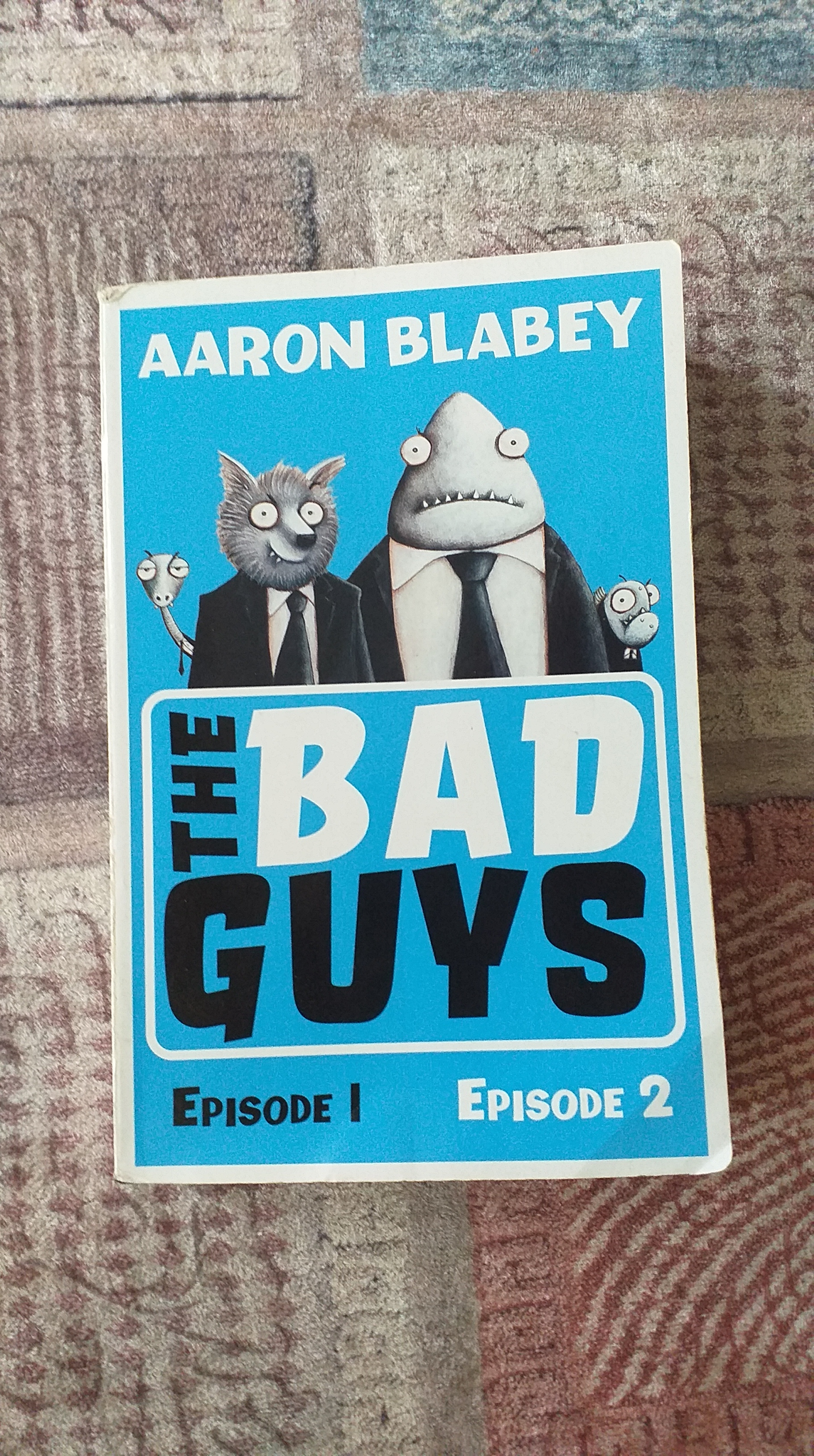
Hello again, this is Fatih. Now I want to review a book called the Bad Guys: Episode 1 & 2. I like the book because it’s so funny. The member of the Bad Guys (they wanted to be called the Good Guys) club: Mr. Wolf, Mr. Shark, Mr. Snake, Mr. Piranha and Legs (a tarantula). The funniest part is when Mr. Snake swallowed all the Chickens until Mr. Wolf surprised and he told Mr. Snake to throw up all the Chickens.
The Bad Guys by Aaron Blabey
I got this book from scholastic books. Bye Guys, hope you enjoy!!!
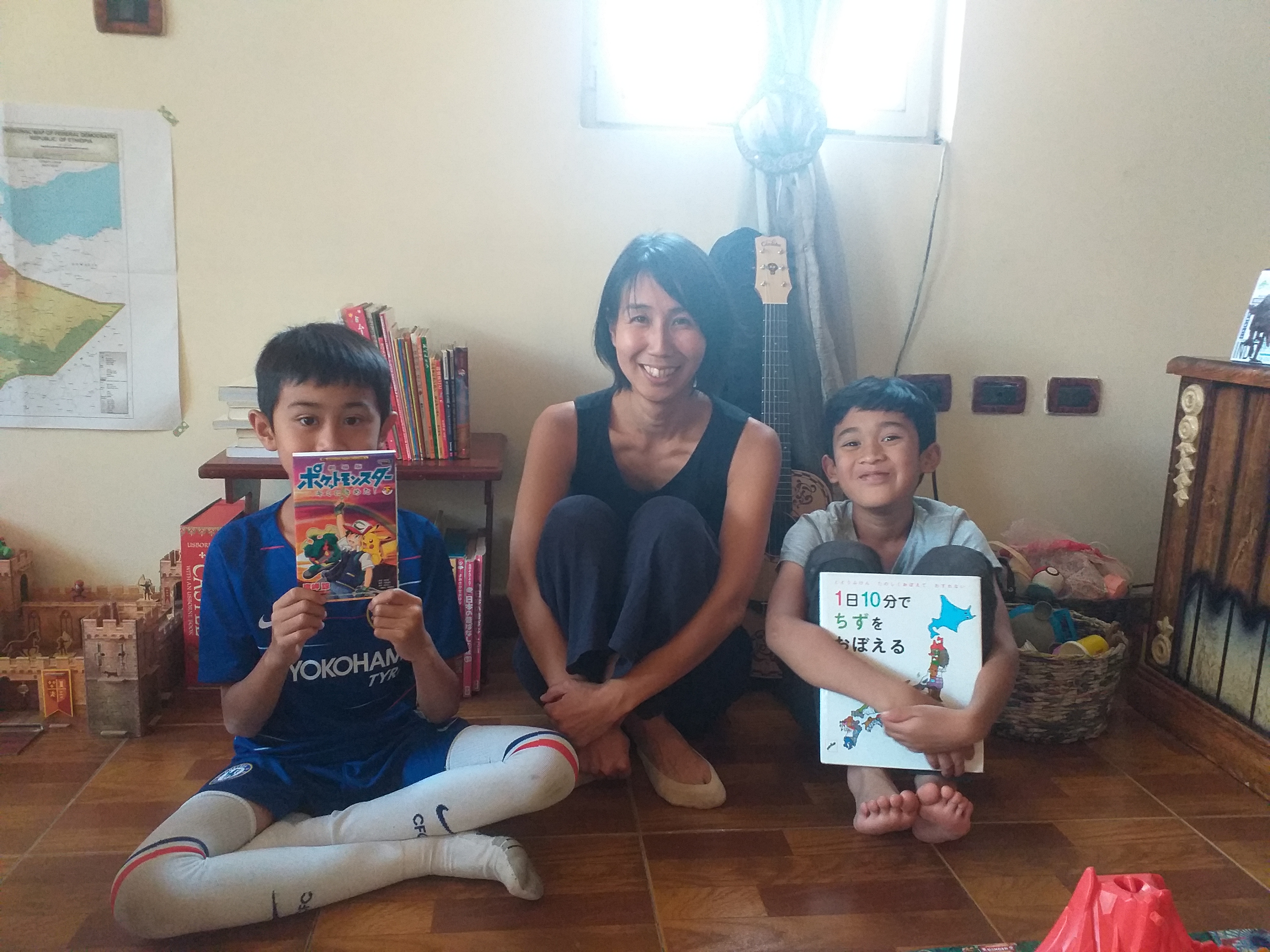
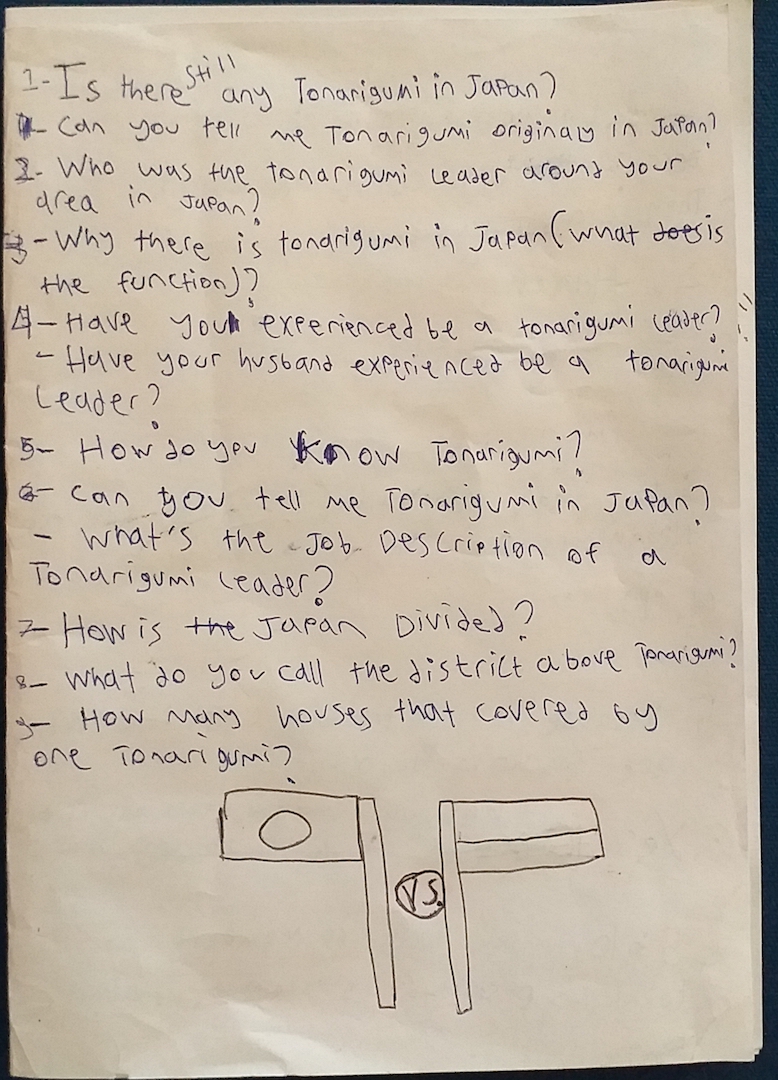
Hi, my name is Fatih, I live in Addis Ababa, Ethiopia. I joined exploration online, they give me a challenge to interview Pak RT about RT/RW in Indonesia. Because I live in Ethiopia, no such thing as neighborhood association (RT/RW) here. The smallest district is Kebele (the same as municipality in Indonesia). So, I went to Mariko’s house (a Japanese woman, a friend of my Mom) on Wednesday,27 March 2o19. I interviewed her. She said that there is no longer tonarigumi in Japan.
From left to right: Fatih, Mariko, Rashaad
Tonarigumi
is a neighborhood association created by Japanese government. Formerly, 250
years ago, in Edo period, there was a group called ”gunmi gomi”. Gunmi gomi
means five groups of people. Gunmi gomi will become tonarigumi. The function of
tonarigumi is to share information from the local government to community and
sometimes they were trained the military service.
In
1943, the Japanese were attacking the Pearl Harbor, in U.S, where the military
are resting. 2 years later… the Americans got their revenge. The Americans were
planning to attack Hiroshima and Nagasaki, the big cities in Japan, with the
nuclear atomic bomb that created by: Professor Albert Einstein
After
the Japanese lost, the Americans controlled Japan. At that time, America
prohibited tonarigumi in Japan. In 1951, after the agreement, there is
tonarigumi again, but the name become “chonaikai” (cho=town, nai=inside,
kai=committee). This chonaikai is not controlled by the local government.
Usually, chonaikai cover 5 to 10 households.
The functions of Chonaikai are: 1. To share information from the Japanese government to community 2. Take care the people especially elderly 3. Security patrol 4. Waste management (recycling trashes 5. Hold festival like winter festival & summer festival. 6. Funeral arrangement 7. Fire drill training 8. Helping others if there is a disaster. The chonaikai leader is called hancho. Mariko is never become a hancho but, her parents did. The last hancho around Mariko’s place is Mr. Mukasan. If you want to join a member of chonaikai, you have to pay fee every month.
Chonai kai meeting
The
administrative system in Japan is different from Indonesia.
The
system in Japan:
Country –> District/Perfecture –> City/Village –> Town –> Chonaikai.
If
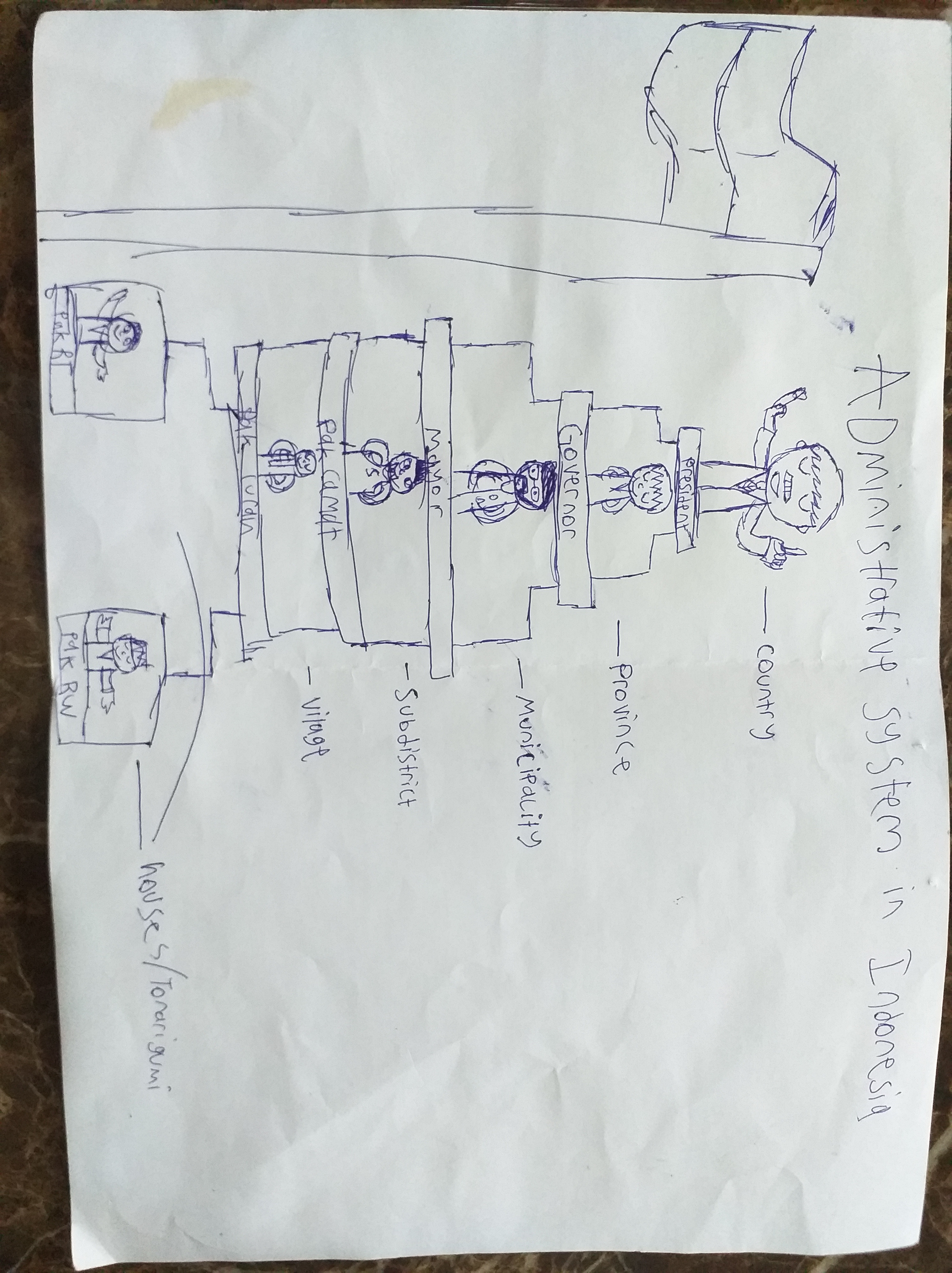
you want to know about the administrative system in Indonesia, you can see the
picture below.
Administrative System in Indonesia
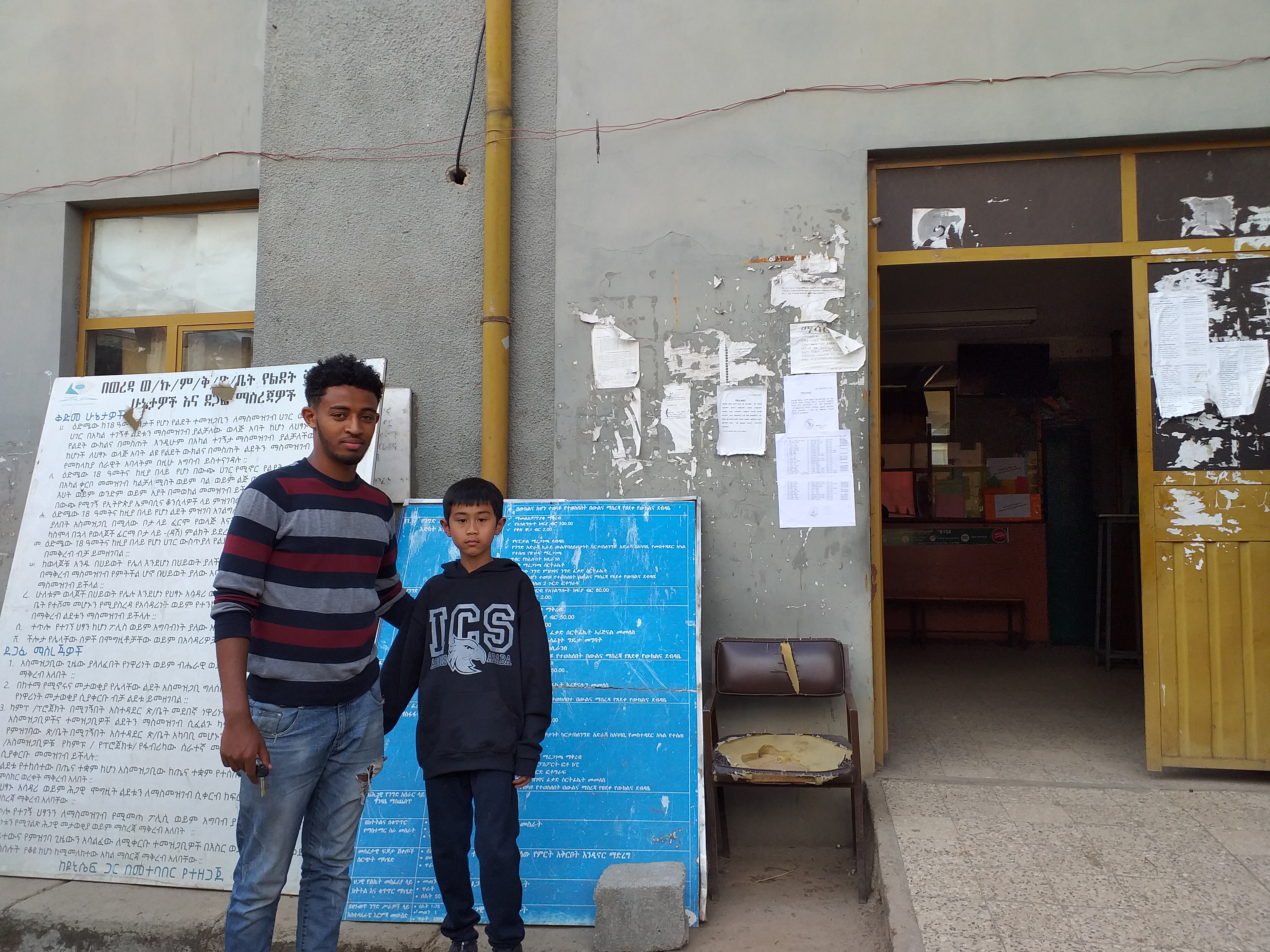
Today,3 April 2019, after school, I wanted to stay home and relax, but my mom force me to go to Kebele office. So, I went to Kebele Kirkos 06. It was 15 minutes away from the school. My driver went inside first because he wanted to ask permission.
My driver and I in front of Kebele office
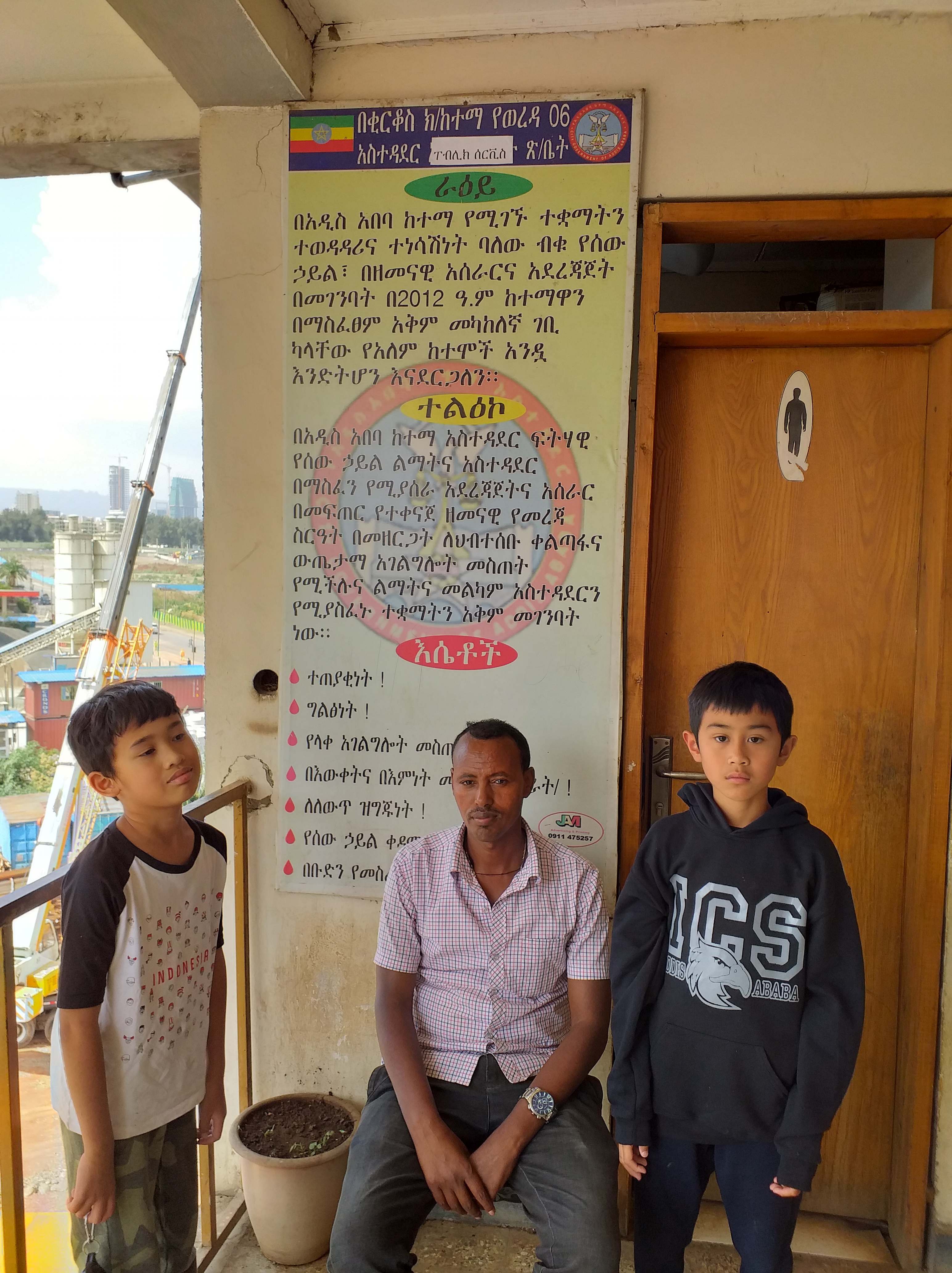
Before, I thought the office was clean but it was not. I went to the 6th floor. In the 6th floor, I met Mr. Tadelle, the chief of public service. I ask questions to him. After I interviewed Mr. Tadelle, I know some information about Kebele. The function of Kebele is to serve people (if people wants to create an ID card) and give people jobs. There are 107 Kebeles in Addis Ababa City. There are 7,000 populations in Kebele Kirkos. The leader of Kebele is called chief executive.
Me and Rashaad with Mr. Tadelle, the Chief of Public Service Kebele Kirkos 06
The
administrative system in Ethiopia:
Country –> Region –> Sub city –> Woreda/Kebele.
So,
Kebele is the smallest unit of administrative system in Ethiopia.
Fun facts:
Ethiopia has different clock, date & year. They have their own local time, for example: today is 3 April 2019 but in Ethiopian calendar, today is 25 Makawit/March 2011, so if you live in Ethiopia, you’re 7-8 years younger.
If it’s 9AM, it means 3AM (Local or Habesha time)
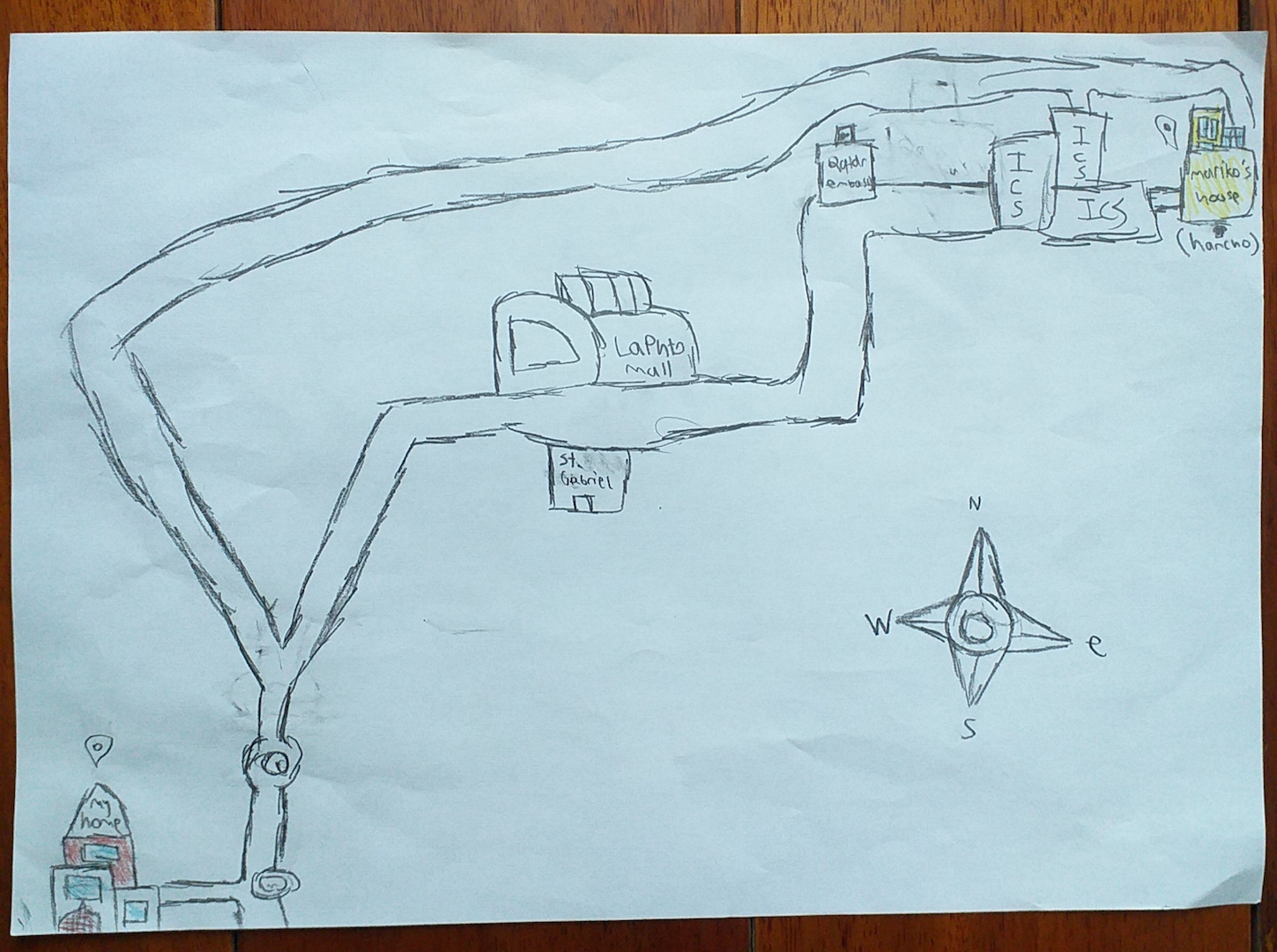
Direction/Map
This picture shows you the direction between my house and Mariko’s house (let’s pretend her a Hancho). The red one is my house & the yellow one is her house. The distance is 3 km .

 Fatih's Journey